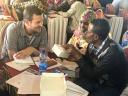
AI-powered community-led monitoring
At KNCV Tuberculosis Foundation we have several tools where we utilize chat and conversational AI to engage with persons on TB treatment (AIDA), TB doctors and healthcare workers (Clinical Supporter) and the general public (TB Knowledge Chatbot).
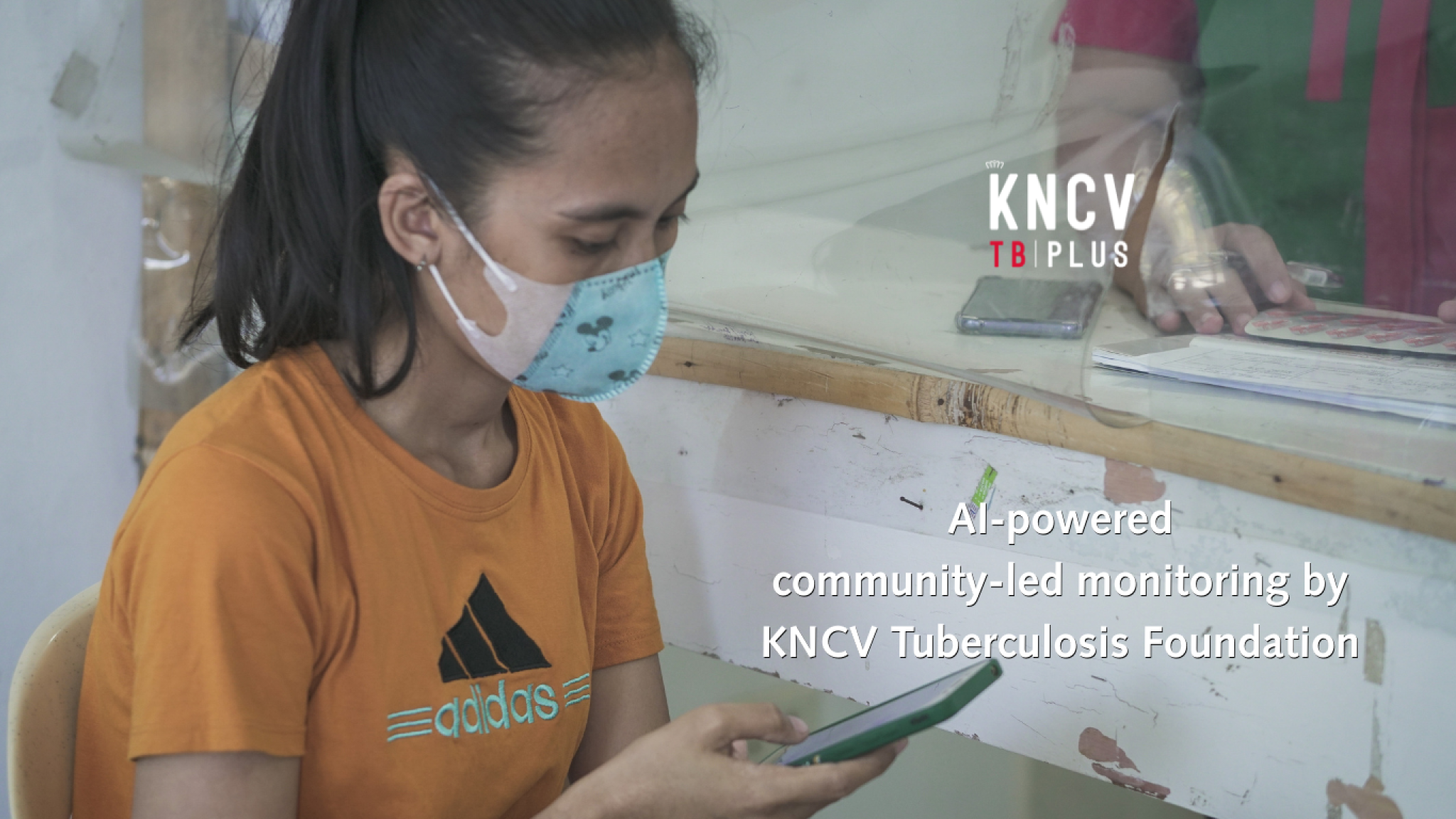
Chat and conversational AI are foundational layers used by Aida, for example, one of KNCV's AI-powered tools. This foundational layer can be leveraged to also include an embedded community-led monitoring module tailored to each person’s treatment journey within Aida for people on TB treatment, or as a separate module for healthcare workers, community members and relevant stakeholders not on treatment.
Through WhatsApp or Telegram, people can report barriers in service delivery directly and in real time, using the AAAQ framework: availability, accessibility, acceptability, and quality of services.
What is Aida?
Aida is a KNCV TB Plus-developed AI-powered virtual treatment supporter that uses WhatsApp and Telegram to extend support for people affected by TB between clinic visits. People can message Aida about symptoms, side effects, medication, daily life during treatment, stigma, patient rights, or service-related barriers, and receive practical information, encouragement, and proactive check-ins. Human oversight and follow-up are included when concerns or potential risk signals are identified.
What is Community-Led Monitoring?
Community-Led Monitoring (CLM) is an ongoing process in which people affected by health challenges, such as TB or HIV, and those accessing health services systematically monitor the quality, accessibility, and responsiveness of healthcare in their contexts. Communities collect and analyze data, identify barriers to care, and use evidence to advocate for improvements. CLM also monitors broader issues that affect health, including stigma, discrimination, and human rights violations, ensuring appropriate authorities are made aware of these concerns.
CLM relies on insights about service delivery from multiple sources to ensure an accurate representation of challenges experienced. This includes gathering insights from people receiving care, people that are affected by a disease within the larger community (such as family members, neighbours, etc.) as well as healthcare providers and community health workers.
This approach shares principles with Participatory Action Research (PAR) by positioning it within the lived experience of people and communities, and driving action based on evidence. However, CLM relies on continuous and routine collection of data, supporting communities to identify trends over time, uncover the root causes of challenges for people within their communities, and supports them to develop targeted, practical solutions.
At its core, CLM strengthens accountability. By equipping communities with evidence, it creates the opportunity for data-driven advocacy and for effective collaboration between community members, healthcare providers, and decision-makers. This multi-stakeholder collaboration, with communities at the center, and as owners of CLM, will address service gaps, improve care, and create more equitable, people-centred health systems, ensuring services are available, accessible, acceptable and of a high quality.
The AAAQ Framework
CLM uses the Availability, Accessibility, Acceptability and Quality (AAAQ) framework to assess services from the perspective of people affected by health challenges. The framework helps identify gaps across four key areas:
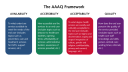
The AAAQ Framework
Expected results from Community Led Monitoring
- Improved dialogue and collaboration between communities and ministries of health.
- Increased responsiveness of TB and HIV programmes to community needs.
- Routine monitoring of stigma and discrimination across the TB and HIV care cascade.
- Strengthened accountability for service delivery and patient rights.
- Improved availability, accessibility, acceptability and quality of TB and HIV services.
- Evidence-informed programme improvements and policy decisions.
KNCV Technical Assistance for Aida and Community Led Monitoring Module
Fixed technical assistance includes:
- Platform stewardship: 15–20 days for localization to national TB care pathways, stigma reduction messaging, patient rights content, community-led monitoring questions, escalation logic, quality assurance and responsible AI oversight.
Variable costs based on country context to consider (excluded from Technical Assistance package):
- Tier-based enrolment costs for AI/WhatsApp/Telegram usage, based on the number of people enrolled and duration of support.
- Human-in-the-loop component, including implementing partner staff time for reviewing flagged concerns, coordinating follow-up and linking users to appropriate services where needed.
- Enhanced monitoring, evaluation and learning component, including indicators, routine reporting, safety review, user feedback and learning documentation.
- Hosting and managed infrastructure costs.
- Participant data or airtime support, where required.
Would you like to explore whether KNCV's Chat and Conversational AI model can be used for community led monitoring within your context?
Reach out to us.
At KNCV we can embed CLM directly into the Aida treatment supporter for people on treatment, or embed it into the clinical supporter for healthcare and community health providers. However, we recognize that each context requires a tailored and adapted approach to ensure it meets the needs of your community.
Reach out to explore other options.