Advancing aDSM for DR-TB: Experiences and best practices from the field
This webinar was held on 7 of October, 2026
This webinar is part of the Unitaid-funded project ASCENT DR-TB led by KNCV Tuberculosis Foundation.
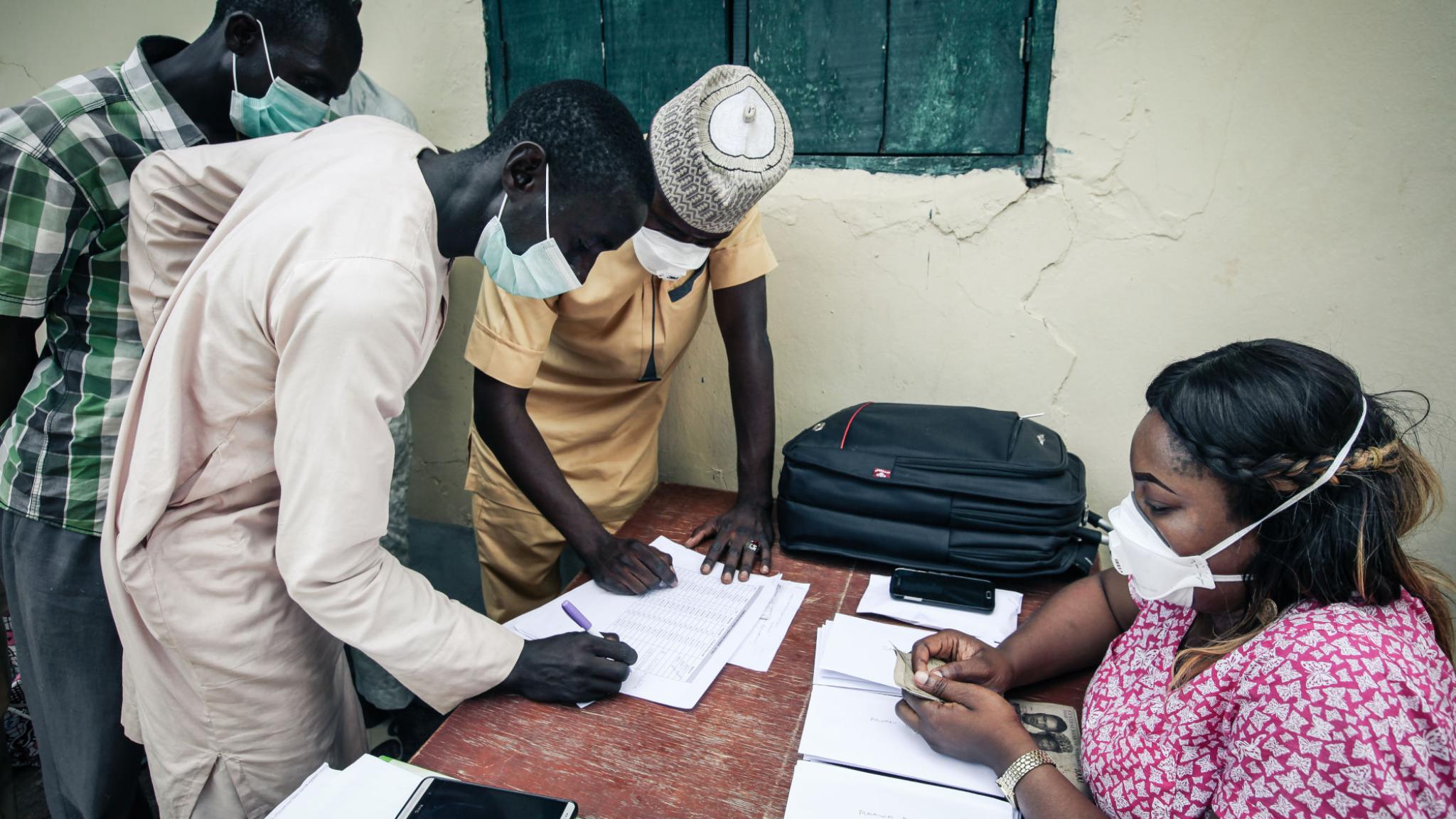
KNCV hosted an experience-sharing webinar to showcase lessons learned, best practices, and innovative strategies for strengthening active TB Drug Safety Monitoring and Management (aDSM) systems in the care and treatment of drug-resistant tuberculosis (DR-TB), while highlighting the vital role of community partners in supporting patient safety, treatment adherence, and continuity of care.
The introduction of new drugs and shorter treatment regimens for drug-resistant tuberculosis (DR-TB) has transformed patient care. However, these advances have also increased the need for effective active Drug Safety Monitoring and Management (aDSM) systems. How can countries strengthen pharmacovigilance systems, improve adverse event monitoring, management and ensure that patients receive safe, high-quality care throughout their treatment journey.
aDSM has been a core intervention area of the Unitaid-funded ASCENT DR-TB project, with a focus on:
- Building the capacity of healthcare workers and national TB programmes to implement aDSM effectively
- Enhancing the detection, reporting, and management of adverse events and serious adverse events
- Improving coordination between NTP and pharmacovigilance unit
- Engaging community partners to improve adverse event reporting, treatment adherence, patient support, and continuity of care
KNCV invites you to learn through this ASCENT DR-TB webinar to explore practical experiences, lessons learned, and innovative approaches to building and strengthening aDSM systems in DR-TB programmes. Through real-world examples from Ethiopia, Mozambique, and Nigeria, speakers shared how health systems, pharmacovigilance units, community organizations, and civil society partners have worked together to strengthen adverse event detection, reporting, and management while supporting the rollout of new DR-TB treatment regimens. The webinar will also highlight the critical role of community engagement in ensuring safer, more person-centred DR-TB care.
Whether you are involved in TB programming, clinical care, pharmacovigilance, community engagement, or health systems strengthening, the content of this session offers valuable insights and practical solutions that can be adapted to your own context.
Webinar: Advancing aDSM for DR-TB: Experiences and best practices from the field
This webinar has already been conducted.
Who is useful this for?
- National TB Programme staff
- Clinicians
- Nurses
- Pharmacists
- Laboratory personnel
- Pharmacovigilance officers
- Implementing partners
- Community representatives, and
- Anyone interested in strengthening safe and effective DR-TB treatment programmes.
What was learned?
- The role of aDSM in the introduction and implementation of new DR-TB drugs and treatment regimens.
- Practical insights into adverse event detection, grading, management, documentation, and reporting.
- How to strengthen collaboration between TB programmes and pharmacovigilance systems.
- Country experiences from Ethiopia, Mozambique, and Nigeria on building sustainable aDSM systems and strengthening healthcare worker capacity.
- How community-based organizations and civil society can contribute to effective safety monitoring and pharmacovigilance.
- Ideas and discuss practical challenges and opportunities with global experts and peers working in DR-TB care and programming.
Experts
Moderators:
- Degu Jerene - KNCV Tuberculosis Foundation
- Mike Frick - Treatment Action Group (TAG)
Speakers:
- Mansa Mbenga - KNCV Tuberculosis Foundation
- Tesfaye Seyoum - KNCV Ethiopia
- Elzier Mangunyane - Fundação Aurum
- Jonas Maunde - ChildLife Mozambique
- Sani Useni - KNCV Nigeria
- Pharmacist Ahmad Tijjani - RAHAMA Girl Child and Women Empowerment Initiative
- Chinonyelum Ogochukwu Obi - IPCD