SCAF-TB project supports the TB response in Tanzania
Through the SCAF-TB (Saving Children and Families from Tuberculosis) project, KNCV Global Office in collaboration with KNCV Tanzania and the National Tuberculosis and Leprosy Program are generating evidence on the use of innovative diagnostic tools to improve TPT uptake in Tanzania.
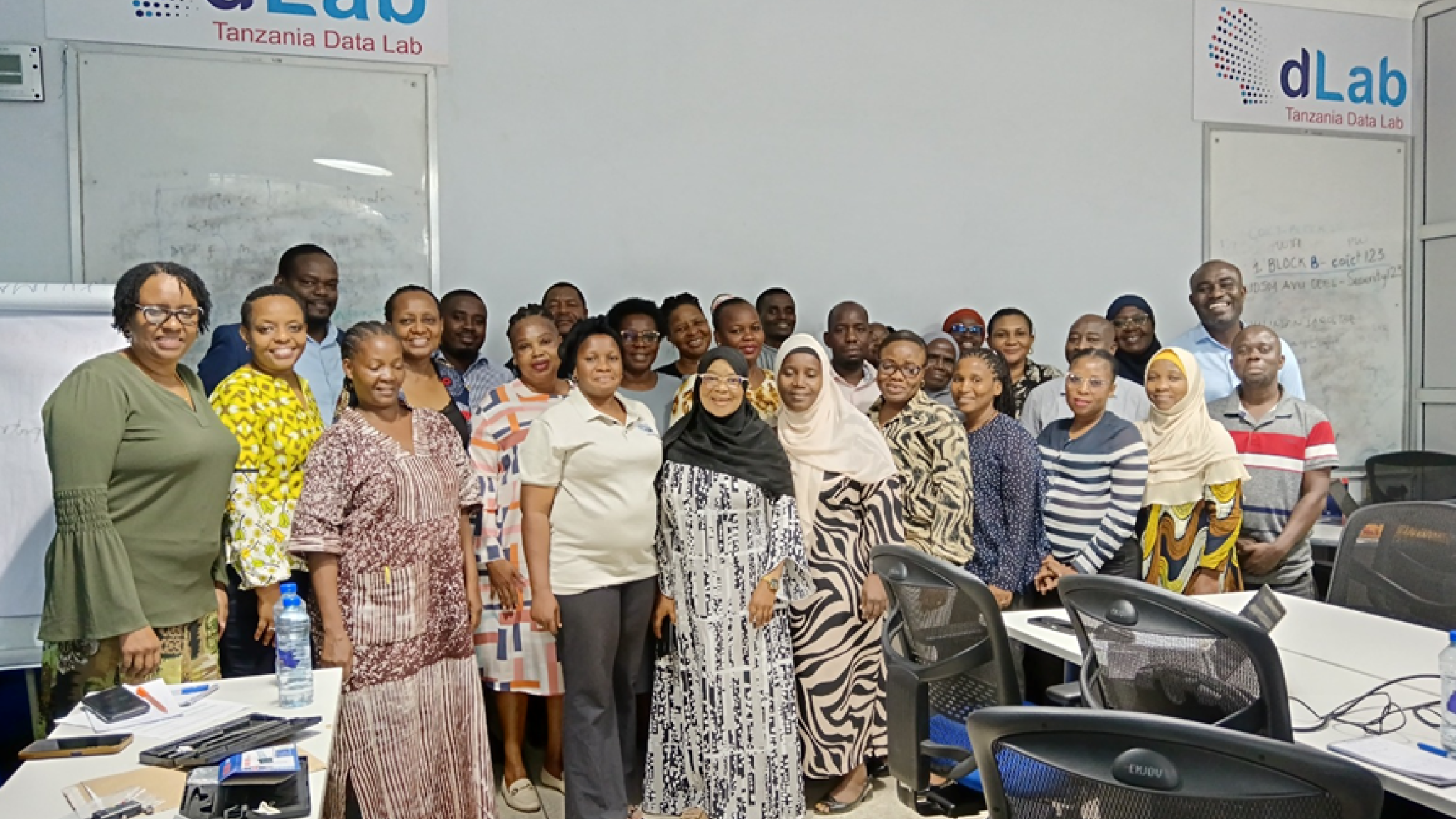
Community-driven innovation for TB prevention
KNCV's new implementation research study in Tanzania is set to generate critical evidence on how innovative, community-centred approaches can improve access to tuberculosis (TB) preventive treatment (TPT) for children and families at risk of TB.
Conducted in Tanzania through a partnership between KNCV Global Office, KNCV Tanzania and the National Tuberculosis and Leprosy Programme (NTLP), the Saving Children and their Families from Tuberculosis (SCAF-TB) project is now underway. This happened following a successful capacity-building workshop for healthcare workers (HCWs) and community health workers (CHWs) in June 2026.
TB remains the world's deadliest infectious disease, and despite global commitments, access to preventive treatment remains too low, particularly among children and household contacts of people with TB. The SCAF-TB project was established to address these challenges through innovative, family-centred and community-led approaches that bring TB preventive services closer to where people live.
SCAF-TB Capacity Building Tanzania in 2026
SCAF-TB Project
The SCAF-TB project reflects KNCV’s commitment to supporting country ownership, strengthening national health systems, and working alongside communities to develop and scale locally led solutions that respond to the realities families face. Rather than creating parallel systems, SCAF-TB is implemented in close collaboration with national and local interest-holders, supporting healthcare workers, community health workers and communities themselves to play a leading role in TB prevention and early detection.
SCAF-TB is funded by the Johnson & Johnson Charity Account managed by the King Baudouin Foundation (Belgium) and implemented with NTPs of Tanzania and Tajikistan by KNCV TB Plus, with support from MyLab for AI-assisted TBI testing and RAIsonance for digital screening technologies.
SCAF-TB Capacity Building Workshop in Tanzania. June 2026.
Bringing care directly to families in Tanzania
The impact of this approach is already becoming visible at community level, as reported by our partners in KNCV Tanzania.
When a young girl was diagnosed with TB disease at a health facility earlier this year, healthcare workers knew her family members were at increased risk. However, financial barriers made it difficult for household members to travel to a clinic for testing and care. In response, healthcare workers and community health workers worked together to bring these services directly to the family's home.
During the home visit, twelve family members were screened, and ten had a SIILTIBCY test for TB infection. Five family members were identified with TB infection and immediately started on TPT. Timely interventions like this help protect them from developing TB disease in the future.
The intervention demonstrates how community-based service delivery can overcome barriers to care while placing families at the centre of TB prevention efforts. By bringing testing, counseling and preventive services directly to (or closer to) households, people can access care more easily and the burden of repeated clinic visits is reduced.
Healthcare worker at Bunju Heath Centre reading TB infection test results. ©Rose Olotu
We are so thankful to the team for educating us, visiting our home, and checking us for TB. Knowing that five of us have infection and can start preventive medicine right away gives us real peace of mind.
Strengthening local leadership brings sustainable solutions
For KNCV, the launch of SCAF-TB reinforces the goal of our approaches to introducing new technologies while supporting countries to lead their own TB prevention agenda. Generating local evidence on new tools (including SIILTIBCY testing with AI-assisted reading and AudibleHealth cough screening tool) and strengthening the capacity of local health workers and community networks fosters an environment of ownership for future scale up of these innovations.
Through close collaboration with NTLP, healthcare facilities, community health workers and local communities, SCAF-TB is helping build sustainable systems that can continue delivering impact long after the study concludes. As implementation progresses, SCAF-TB will continue to showcase how country leadership, community engagement and innovative technologies can work together to protect children and families from TB and move closer to a future free from TB.
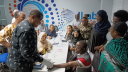
SCAF-TB Capacity Building Workshop in Tanzania. June 2026.