New partnership launched to improve childhood TB diagnosis in Jharkhand, India
We are pleased to announce the signing of a Memorandum of Understanding (MoU) for a new project aimed at improving the diagnosis of tuberculosis (TB) among children in India.
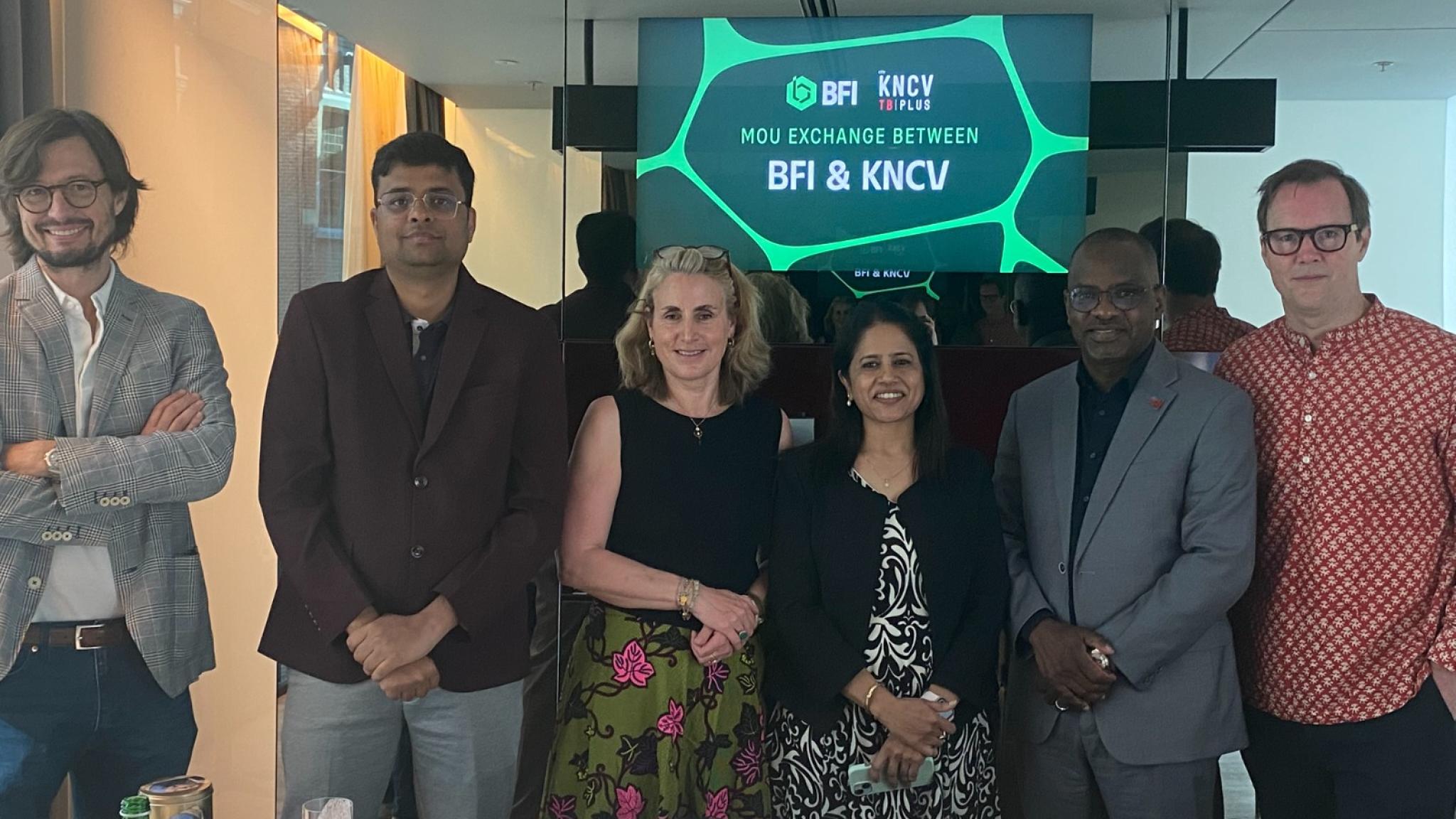
Implementation of the Simple One-Step Stool-Based Test to Increase Paediatric Tuberculosis Diagnosis in Khunti District, Jharkhand, India
The project is being implemented in partnership with Blockchain For Impact and activities are set to begin in mid-June 2026 and will run for 18 months.
The initiative will introduce a simple, child-friendly stool-based testing for children with presumptive TB in Khunti district. By expanding access to diagnosis, the project aims to ensure that more children with TB are identified early and linked to timely care.
TB in India and among children
India carries one of the world’s highest TB burdens (25%), accounting for a significant share of global cases (WHO Global TB Report 2025). While TB affects people of all ages, children face unique risks and are often underdiagnosed. According to the WHO Global TB Report 2025, hundreds of thousands of children in India develop TB, with estimates suggesting around 2.89 lakh (289,000) cases annually among those aged 0–14. Many children with TB remain under-reported, contributing to delays in treatment and avoidable illness and death.
Children are particularly vulnerable because their immune systems are still developing. In young children, TB disease can progress more rapidly and is more likely to become severe if left untreated.
©Jasper Hamann
Why diagnosing TB in children is so difficult
Diagnosing TB in children remains a major challenge worldwide, and especially in high-burden settings like India.
Unlike adults, children often cannot produce sputum (phlegm), which still remains the standard sample used for TB testing in most settings. In addition, children typically have fewer TB bacteria in their bodies (called a “paucibacillary” disease), making it harder for traditionally used tests to detect infection.
Symptoms in children can also be non-specific, such as fever, weight loss, or fatigue, and may resemble other common childhood illnesses. As a result, TB in children is often missed or diagnosed late, increasing the risk of complications and ongoing transmission within households and communities.
Introducing stool-based testing: a child-friendly solution
To address these diagnostic challenges, this collaborative project will implement KNCV's stool-based TB testing using the simple, one-step method.
Stool testing offers a promising alternative because young children often swallow sputum. The TB bacteria can pass through the digestive system and be detected in stool samples. WHO has recommended the use of stool specimens for molecular testing (such as Xpert MTB/RIF), particularly for children who cannot produce sputum.
Key advantages of stool-based testing include:
- Non-invasive and child-friendly, no need for uncomfortable procedures.
- Easier sample collection at primary healthcare and community level.
- Potential for earlier diagnosis, especially in younger children.
- Improved access in low-resource settings where advanced procedures are not feasible.
Recent research published highlights the growing global effort to improve paediatric TB detection using stool-based molecular diagnostics, particularly in settings where traditional sample collection is difficult.
A comprehensive approach in Jharkhand
Beyond introducing stool-based testing, Blockchain For Impact and KNCV take a holistic approach to childhood TB in Khunti district:
- Increasing TB case detection among children with presumptive TB.
- Assessing feasibility and acceptability of stool-based testing.
- Strengthening linkage to care to ensure children receive timely treatment.
- Exploring social determinants of health, including barriers to access.
- Evaluating health system readiness for scaling up innovative diagnostics.
- Examining the link between malnutrition and TB, particularly among children attending Anganwadi centres.
This focus is particularly relevant in Jharkhand, where many children face high levels of undernutrition and vulnerability. In some communities, nearly one in two children experience stunting, reflecting broader health and social challenges that can increase TB risk.
Working towards sustainable impact
The project will be implemented in close collaboration with India’s National TB Elimination Programme (NTEP) and state health systems. A key objective is to support the long-term integration of stool-based testing into routine TB services, ensuring sustainable impact beyond the project period. Stay tuned for updates!

Signing of Memorandum of Understanding (MoU) between BFI and KNCV, May 2026.