Honoring women, strengthening communities: International Women’s Day 2026
On International Women’s Day 2026, KNCV joins partners and communities worldwide in recognizing the key role women play in shaping healthier societies.
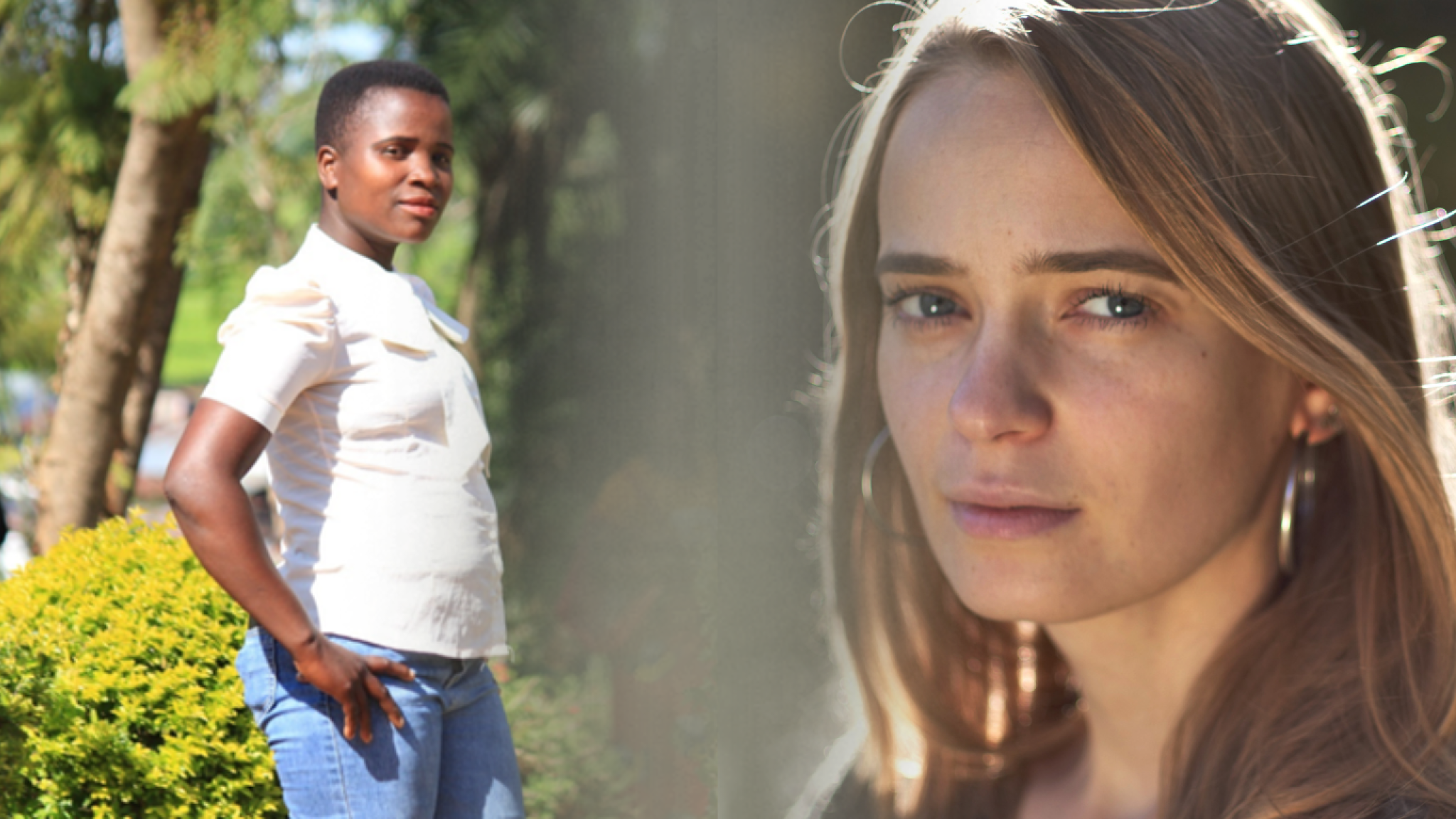
Throughout history, women have been marginalized, and placed on the receiving end of innumerable inequalities and biases that impact negatively their quality of life. However, women have been at the heart of innovation and sustainable health solutions. Women are not only “beneficiaries of care”, they are decision‑makers, researchers, innovators, and agents of change for community leadership and scientific innovation.
At KNCV, our work is grounded in person‑centred and community‑led approaches. This means recognizing that health outcomes are deeply connected to gender, rights, and power. Women and girls often face disproportionate barriers to accessing TB care, healthcare, education, and resources. Addressing these realities requires listening to women’s voices, and supporting them in exercising their power of agency in full enjoyment of their rights while their lived-experiences shape policies, programs, and innovations.
Women, rights, and community leadership
Across the communities where KNCV works, women are leaders in care, advocacy, and mobilization. They are community health workers, peer supporters, caregivers, and organizers who ensure that services reach those most in need. A rights‑based, gender‑responsive approach acknowledges these roles while also challenging the inequalities that limit women’s access to services, decision‑making spaces, and economic opportunities.
Meet Paulina
Paulina Siniatkina is a Russian artist who survived tuberculosis (TB) in 2015 and decided to devote her art to fighting TB stigma. Paulina works with painting, installation, video art and performance. Paulina has also become a TB activist through her experience and work. She has addressed the UN General Assembly on Tuberculosis in the United States and has written the book ‘Tuberculosis and You’, that has been translated into 13 languages.
Now she lives in Amsterdam, and continues to devote her efforts to advocate for the rights of people affected by TB, access to adequate services and raise awareness to reduce the stigma that has surrounded TB for so long. She is a TB ambassador for KNCV.
Currently Paulina is hosting the exhibition Hospitality, where she beautifully puts into art her experience and that of millions of people that have had TB.

Stories like this remind us that when women are supported and their voices are heard, they can meaningfully participate in shaping health responses.
Women’s agency and informed health decisions
When women are recognized as active participants rather than passive recipients of services, care becomes more responsive, respectful, and effective. Person‑centred approaches acknowledge women’s lived experiences, ensuring that TB and other health services align with real needs rather than one‑size‑fits‑all solutions. The way that women navigate health care systems is grounded in their rights, their power of agency and the trust in their peer and their communities.
The role of peer support and collective solidarity creates safe spaces for encouragement, shared learning, and accountability. This sense of community can lead to an improved access to quality care as women take part to articulate gaps, demand adequate care, and co‑decide on treatment solutions.
Meet Linda
Linda Kabotolo is a young lady from the mountainous district of Mulanje, in Malawi’s southern region. She is a mother of two children and was diagnosed with cervical cancer and HIV. Linda explains that after the HIV diagnosis, health workers told her that they would immediately start her on 3HP for TB preventive treatment, supported by KNCV, after ruling out active TB disease.
“At first, when the health workers told me about 3HP, I was worried because people in the village say that when one takes a lot of drugs, one can go mad... I had no one close to break the news to except for my sister. She urged me to start and adhere to the treatment.”
After a few days, she came to the conclusion that 3HP was beneficial to her, based on what the healthcare workers had explained to her in terms of the short duration and the encouragement received from her sister. She was greatly surprised that after taking 3HP her chest felt more light and her body felt more energized. She adds: “As a young woman I encourage my fellow young women to go to hospital early and not to delay. Both HIV and TB treatment with drugs like 3HP can save your life.”
Photo credit: Moses Master

The story of Linda is a powerful reminder that by reinforcing agency, building on community networks and strengthening access to knowledge, TB care delivery can be shaped to serve everyone, everywhere.
A shared commitment
As we mark International Women’s Day, KNCV reaffirms its commitment to advancing gender equality and community rights as integral to our approaches to TB programming. We strive for a world free of TB where progress becomes more equitable, more effective, and more sustainable for all.