Consultative meeting in Dushanbe city on the introduction and use of SIILTIBCY test
On October 9, 2026, a consultative meeting was held in Dushanbe city, attended by representatives from the Dushanbe City’s TB Center, KNCV in Tajikistan, and healthcare professionals involved in the research project on introduction and use of SIILTIBCY test.
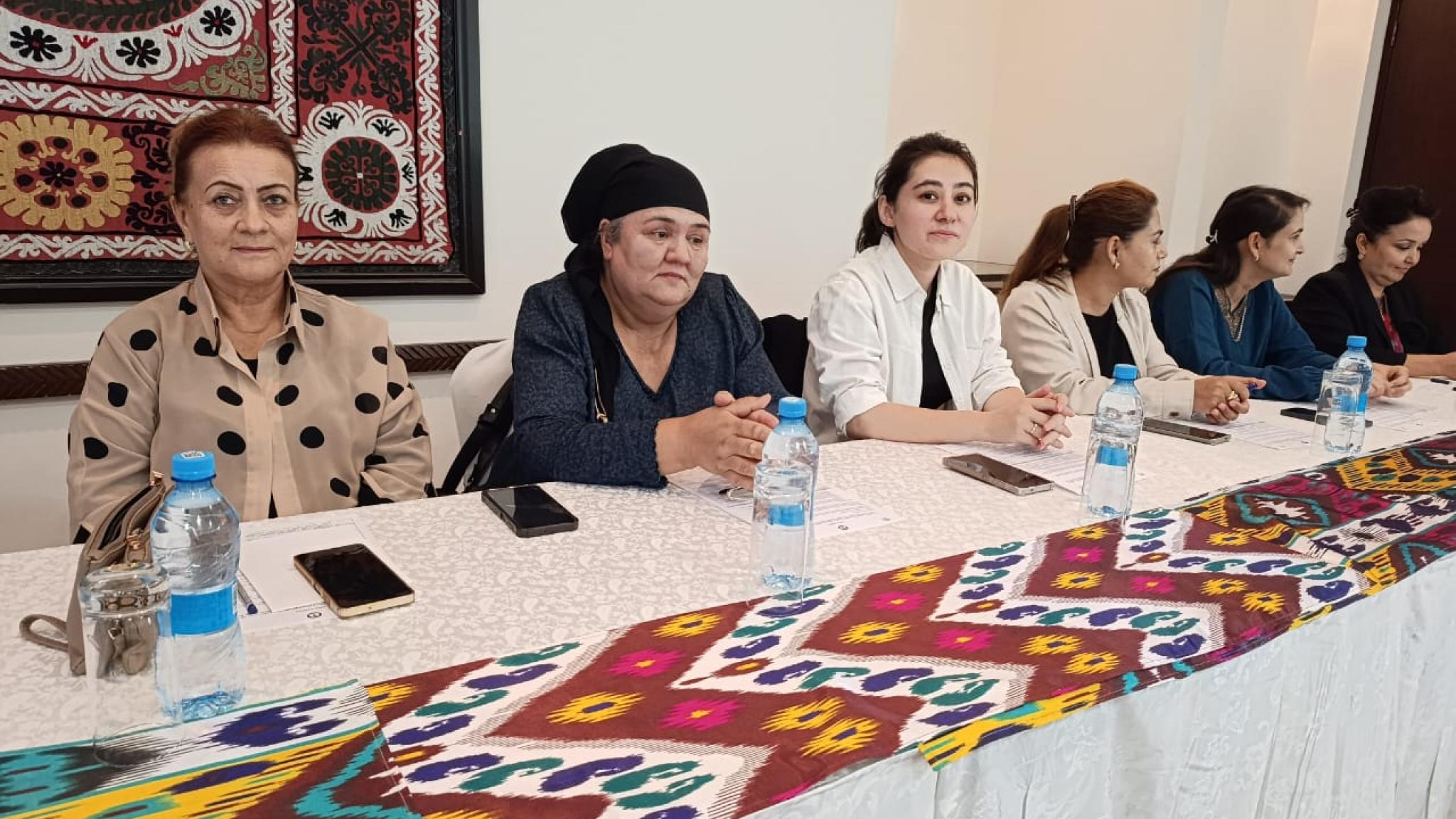
Discussion of results of SIILTIBCY test implementation and prospects for its continued use in the Republic of Tajikistan
On October 9, 2026, a consultative meeting was held in Dushanbe city, attended by representatives from the Dushanbe City’s TB Center, KNCV in Tajikistan, and healthcare professionals involved in the research project on introduction and use of SIILTIBCY test.
This meeting served as an important platform for jointly analyzing research findings, sharing practical experience among healthcare workers, identifying emerging challenges, and developing solutions to enhance the effectiveness of the project’s implementation.
Between June 5 and September 30, 2026, 254 contact individuals underwent testing using the SIILTIBCY method. A positive result was recorded for 46 individuals (18.1%). All those tested also underwent an X-ray examination. Among the participants, 8 TB cases were identified, and 26 contact individuals were prescribed preventive treatment.
Meeting participants paid particular attention to the organization of testing, the quality of data recording, ensuring timely follow-up visits to medical facilities for outcome assessment, and providing support to contacts throughout the entire screening and preventive treatment process.
Next steps
Following the meeting, further measures were agreed upon, including expanding the use of mobile teams for home-based screening, strengthening counseling and monitoring of participants, as well as improving documentation and preventive treatment monitoring.
The significance of this research project is the opportunity to assess the practical SILTIBCY implementation taking into account the conditions of health care in Tajikistan. If, in frame of study process, the results will confirm the test effectiveness and feasibility, it might be the solid basis for further scale up of the test use in implementation of national TB programs.
Meeting participants emphasized that regular exchange of experience, collaborative analysis of results, and timely resolution of emerging challenges are essential not only for the successful implementation of the current study but also for developing practical recommendations to further advance approaches to TB detection and prevention in the country.
These activities fall under KNCV's SCAF-TB Project. Find out more in the link below