Antimicrobial Resistance and Tuberculosis: Integrated approaches for addressing the deadly duo in 2026
Antimicrobial resistance (AMR) is one of the most pressing global health challenges of our time.
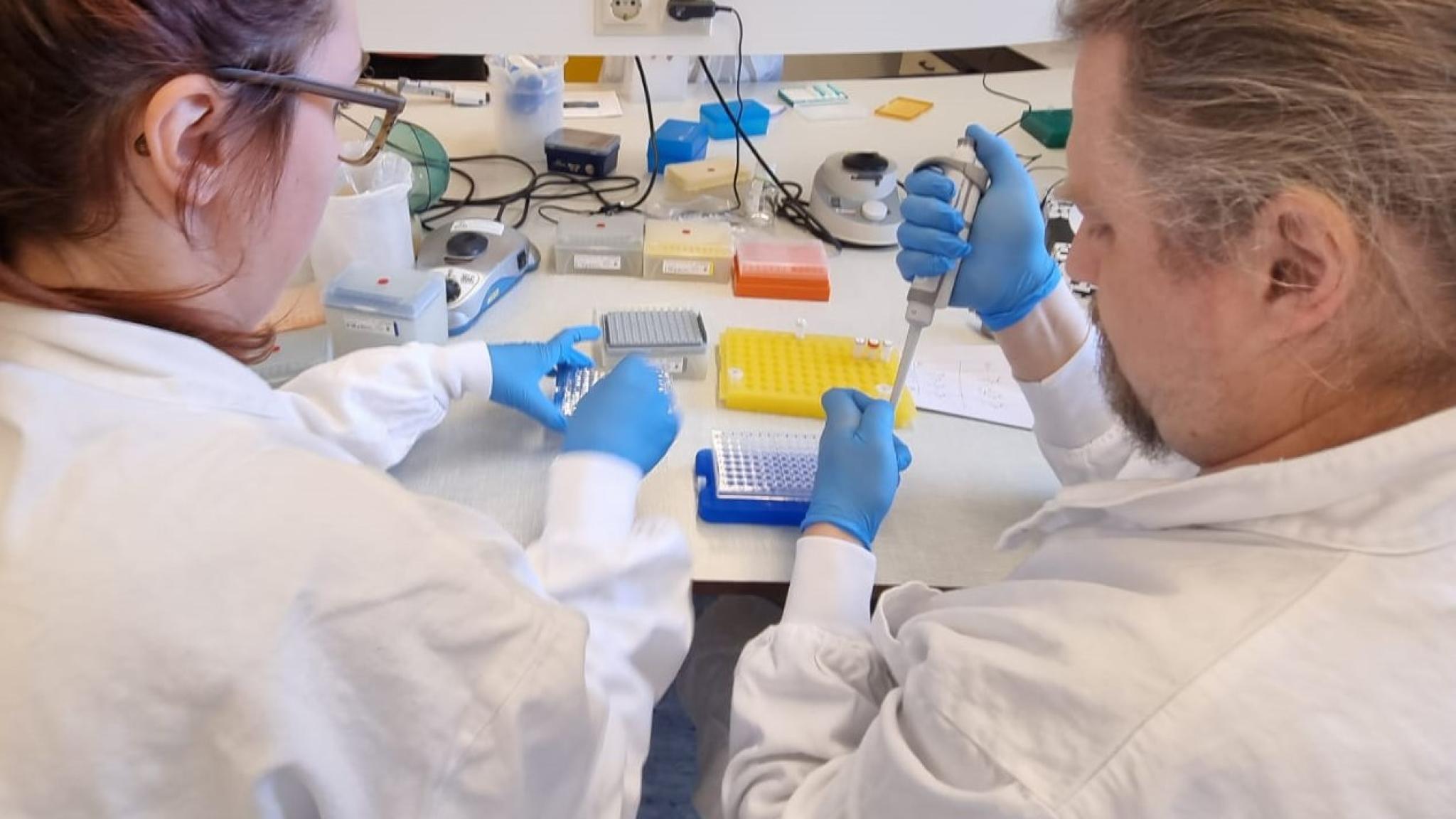
Antimicrobial resistance (AMR) is one of the most pressing global health challenges of our time. AMR occurs when bacteria and other microorganisms no longer respond to medicines. This makes infections harder to cure and increases health risks for individuals and populations.
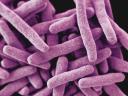
AMR affects our capacity to respond to many diseases, including tuberculosis (TB), and today it is considered one of the major public health challenges worldwide. Drug‑resistant TB (DR‑TB) is a clear and urgent example of AMR.
AMR & TB, what is the link?
TB is closely connected to the AMR crisis. DR-TB develops when standard treatments for TB no longer work. In simple terms, it is a form of TB that is harder to treat. As shorter treatment regimens for DR-TB don't reach all the people who need it, the options available often take longer and cause more side effects.
DR-TB also increases pressure on health systems. It can lead to higher costs and worse treatment outcomes. Access to timely diagnosis, care and consistent treatment are therefore critical. A recent research conducted by Farhat et al. mentions that it is estimated that 13% of all AMR-attributable deaths in the world are due to DR-TB. And according to the 2025 WHO Global TB Report estimates, around 150,000 people died in 2024 because of multidrug-resistant/rifampicin-resistant (MDR/RR) TB.
hands on
Drug resistance in TB is driven by many of the same factors that fuel AMR more broadly. These include delayed diagnosis, incomplete or interrupted treatment, and broader socioeconomic and health system challenges. When TB is not diagnosed early or treated consistently, bacteria can survive, develop resistance, and continue to spread.
A health systems challenge
DR-TB is both a clinical and a systems challenge. It places additional pressure on already stretched health systems, requiring more resources, longer treatment regimens, and more complex care cascades.
At the same time, access to new tools remains uneven globally. While research has advanced significantly leading to faster diagnostics and shorter, more effective treatment regimens, many regions still face barriers in scaling these innovations. Limited laboratory capacity, gaps in diagnostic networks and infrastructure, and delays in accessing appropriate treatment continue to impact outcomes.
Strengthening system readiness is therefore critical.
The systems and experiences developed under the DR-TB programs can be used to address the overall AMR challenges
- Robust laboratory networks to detect TB and drug resistance early
- Access to quality diagnostics integrated into national health systems
- Timely, consistent and appropriate treatment to prevent further resistance
- Strong policies and surveillance systems to monitor trends and guide responses
- Community engagement to ensure care is person‑centred and accessible
Building stronger systems: KNCV’s approach
KNCV Tuberculosis Foundation works together with countries to strengthen the building blocks needed to respond to both TB and AMR. This includes supporting system-wide capacity across diagnostics, laboratory networks, treatment and prevention.
A key area of our work is strengthening diagnostic and laboratory systems. According to WHO estimates more than 2 million of people with TB still go undiagnosed each year. This contributes to ongoing TB transmission and the development of resistance.
KNCV supports countries to expand and integrate WHO‑recommended diagnostics into national systems, ensuring that people can be diagnosed earlier and reach treatment faster. This support includes:
- Supporting the scale‑up of rapid molecular diagnostics that can detect TB and drug resistance
- Introducing innovative tools, such as sequencing technologies to better understand resistance patterns and stool-based testing and SIILTIBCY skin test for early detection and adequate treatment
- Strengthening laboratory networks and quality systems to ensure reliable and timely results
- Piloting and evaluating new diagnostic approaches to improve accessibility and feasibility
Beyond diagnostics, KNCV contributes to strengthening comprehensive TB programs, including:
- Improving access to effective treatment for DR-TB
- Supporting TB prevention approaches, including the detection and treatment of latent TB infection
- Assisting governments in developing and implementing evidence-based policies and guidelines
- Building human capacity and health system resilience through training and technical assistance
KNCV in the global AMR response
KNCV is an active member of AMR Global. Through its partnerships and technical collaborations, KNCV contributes to international efforts aimed at addressing AMR as a cross-cutting health system challenge.
TB programming is inherently linked with broader AMR priorities: strengthening laboratory capacity, improving diagnostics, enhancing surveillance systems, access to effective antimicrobial drugs and vaccines and supporting antimicrobial stewardship. This integrated approach reflects that tackling TB is essential to addressing AMR more broadly, including at policy and system levels.
The importance of person‑centred care
KNCV places requires a strong focus on people and communities to solidify the TB and DR-TB response. Treatment for DR-TB can be long and demanding, often with significant side effects. Person‑centred approaches designed around the needs and experiences of those affected are essential to improve adherence, overcome side effects, reduce stigma and achieve better outcomes.
Increasingly, research and programs recognize the importance of involving communities from the outset. People affected by TB contribute valuable insights into barriers to diagnosis and treatment, shaping more effective and inclusive interventions.
Addressing DR‑TB is not only critical for ending TB, but also for tackling the broader AMR crisis.
The intersection of AMR and TB highlights the need for integrated, system‑wide solutions. Progress is possible. Advances in diagnostics, treatment and community engagement are already transforming the TB response. However, ensuring that these innovations reach everyone who needs them will require continued investment and sustained support in health system readiness.
Contact our experts and help us tackle this deadly duo!